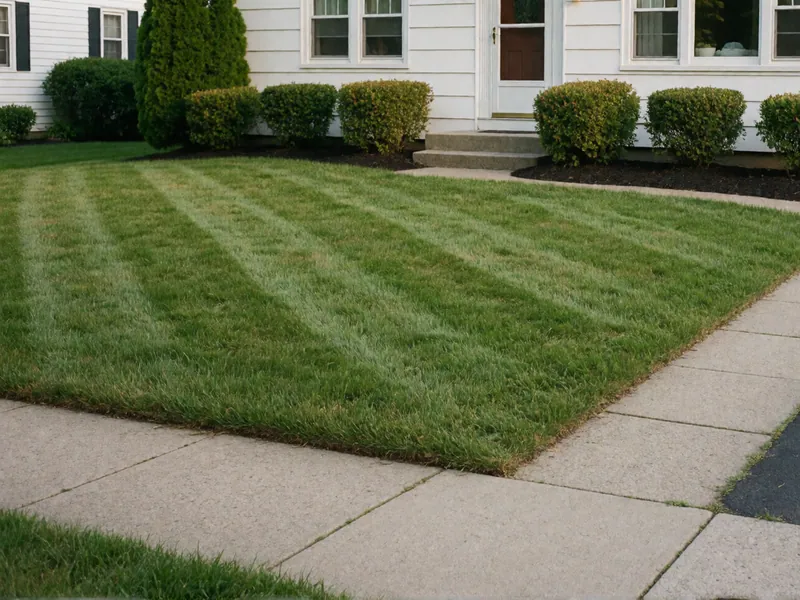
A weekly visit, $45 to $135
Weekly lawn care
Mowed, edged, trimmed and blown clear on your route day, April to November, priced from the size of your lot.
Every job starts with an estimate visit, and there's no charge for it.
128 Denton Avenue, New Hyde Park, NY 11040
The lawn
Core aeration and overseeding in the fall, mulch on edged beds, and hedges and shrubs trimmed by hand.
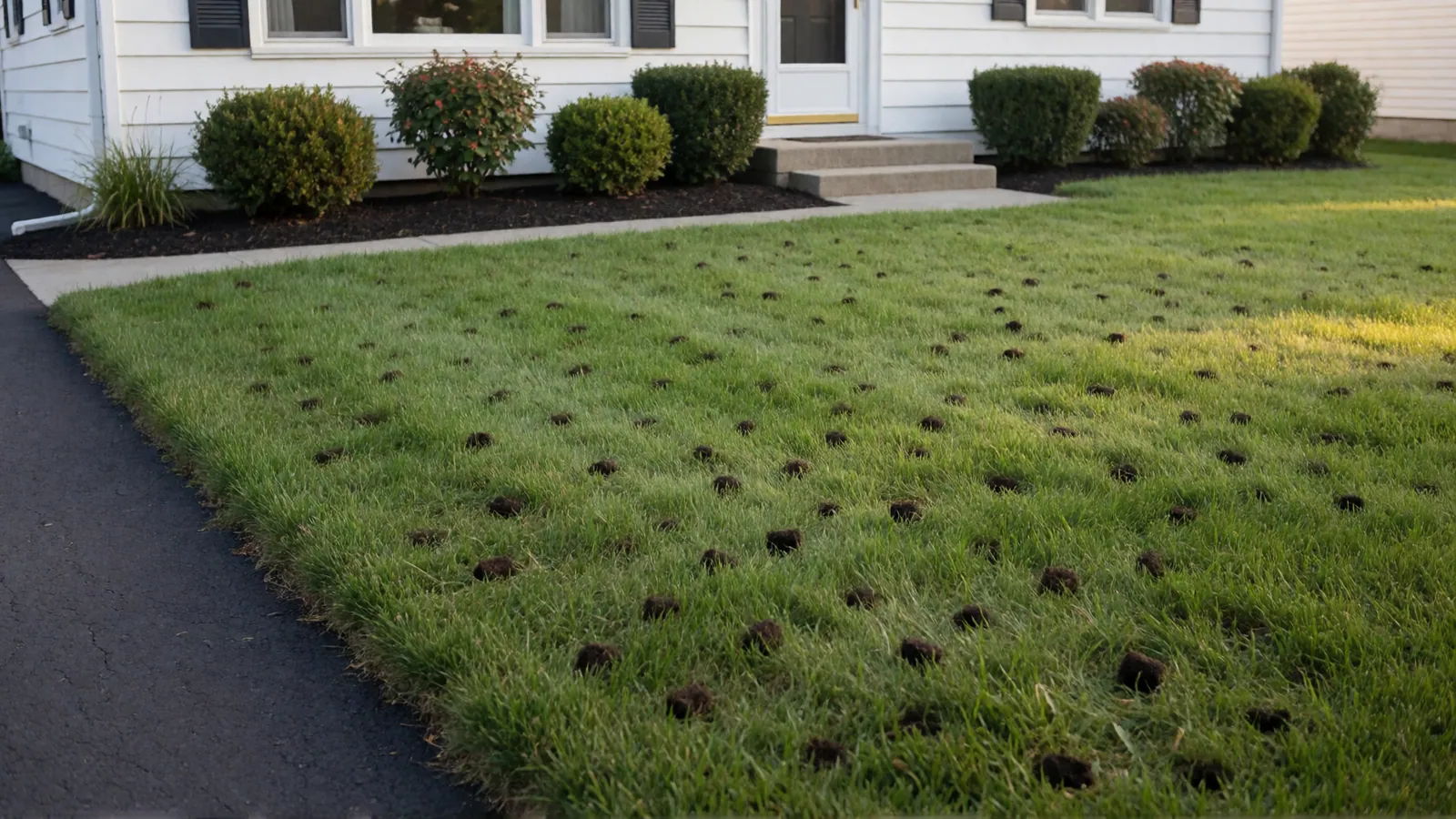
AI-generated illustration. Not a real home or business.
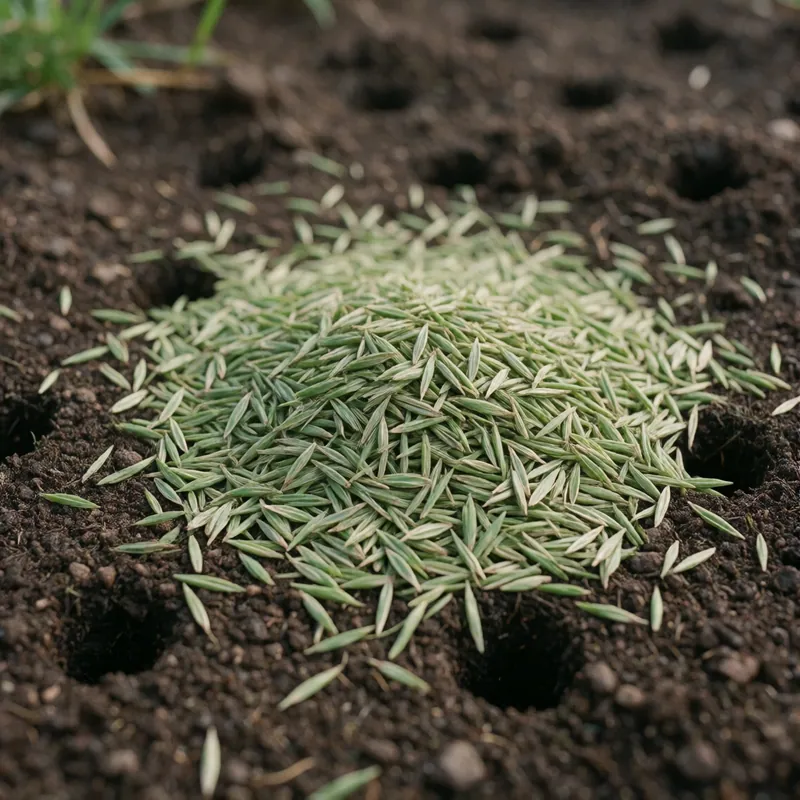
A lawn on a Long Island lot gets walked on, played on and parked beside, and the soil under it packs down until water runs off the top and the roots stay near the surface. Core aeration pulls plugs of soil out of the whole lawn, each about the size of a finger, a few inches apart. The plugs are left where they fall and crumble back in after a few rains and mowings; the holes let air, water and seed down to where the roots are.
The seed goes down straight after, into the holes and over the whole lawn: a tall fescue blend in the sun, which roots deeper than ryegrass and holds up better in a dry summer, and a fescue mix that tolerates shade under the trees.
Seed needs warm soil to sprout and cool nights to grow. Sown at the end of summer, it has the whole fall and the following spring to root before it meets its first hot summer, and the crabgrass that crowds young grass in spring has finished for the year. Seed sown in spring sprouts into crabgrass season and goes into the heat with roots that haven't had time to go down.
That is why this job's window is August 25 to October 15, and why the office won't book it in spring.
New seed is the one time a lawn wants water little and often: the top of the soil kept damp, never puddled, until the new grass has had its first cut. Water early in the day, and on your town's days.
 AI-generated illustration. Not a real home or business.
The edge comes first because mulch needs something to stop against. A spade-cut edge between the lawn and the bed holds the mulch in the bed and the grass out of it, and the line stays where it was cut.
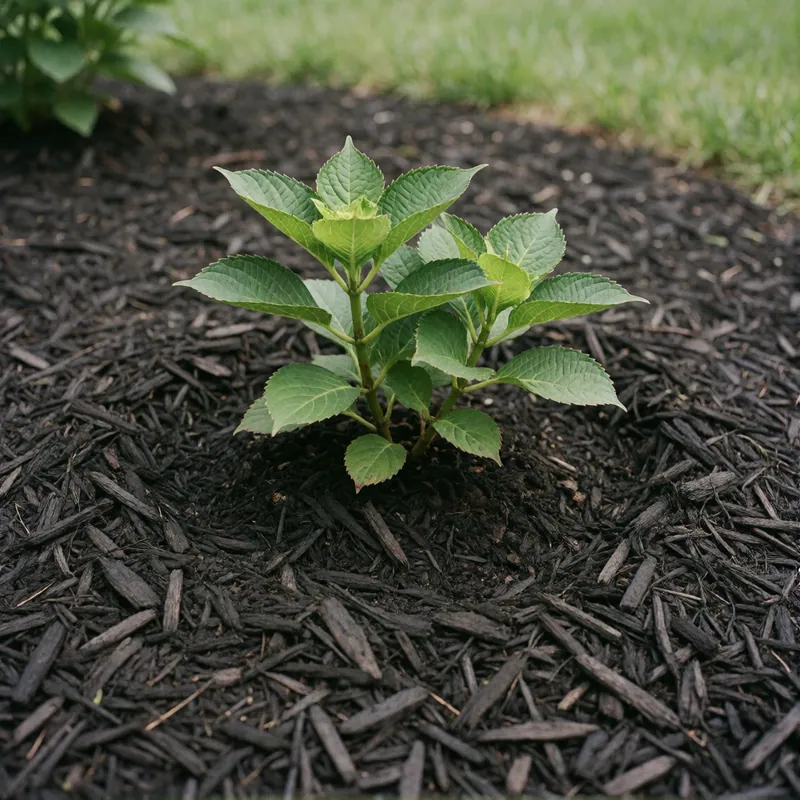
Shredded hardwood mulch keeps the soil under it cool and damp through a summer, and buries the weed seed lying on the surface so that less of it comes up. Two inches does that. Much deeper, and rain runs off the top instead of soaking through, and roots come up into the mulch looking for air.
Piled against a stem or a trunk, mulch keeps the bark wet until it rots, which is why it is pulled back from every one. The cones of mulch heaped around the bottom of a tree are the thing not to copy. Mulch is priced by the cubic yard, spread, so the beds are measured at the estimate visit.
 AI-generated illustration. Not a real home or business.
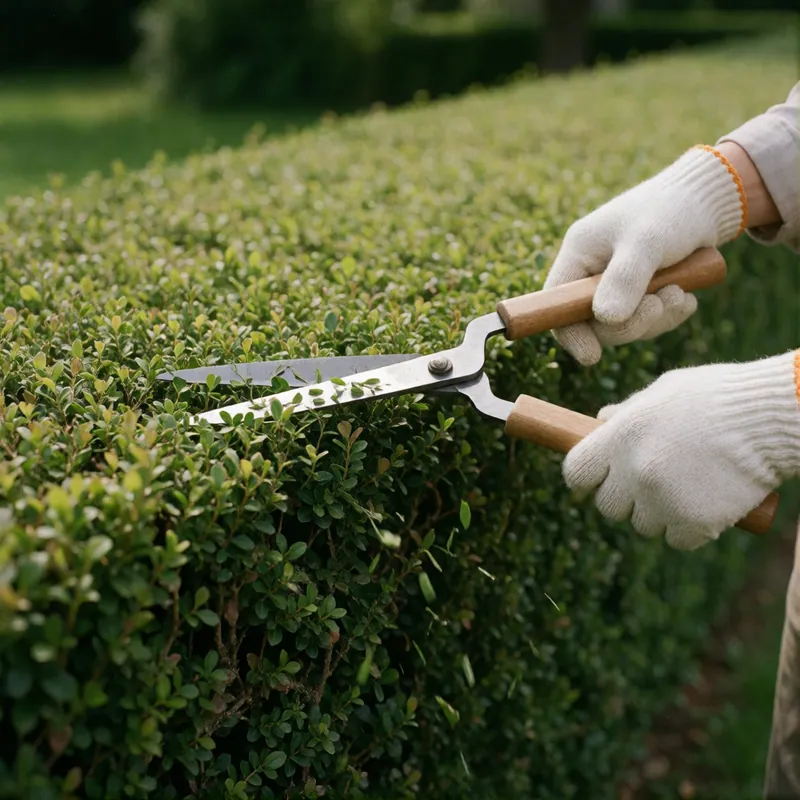
A hedge is trimmed a little wider at the bottom than at the top. Cut with straight sides, or wider on top, the upper branches shade the lower ones, and in a few seasons the bottom of the hedge is bare twigs you can see the street through.
A shrub that flowers in spring is trimmed after it flowers, not before, or the trimming takes next year's flowers with it. Hedge work is priced by the crew-hour, inside its window on the rate card. Trees are not part of it.
No tree work. We trim hedges and shrubs by hand. We don't remove or prune trees, grind stumps or work on street trees: Nassau County lists tree surgery as a trade of its own, and in New York City work on or within 50 feet of a City tree needs a Parks permit first.
 AI-generated illustration. Not a real person, home or business.
Aeration and seed priced from the size of the lot, mulch by the yard, hedges by the hour, each a one-off job inside its window.
| The job | The price | For 6,000 square feet | When |
|---|---|---|---|
| Core aeration and overseeding | $200, plus $28 for every thousand square feet of lot, rounded to the nearest five dollars | $370 | August 25 to October 15 |
| Mulch, with the beds edged first | $95 a cubic yard, spread, two to twelve yards | — | April 1 to November 15 |
| Hedge and shrub trimming | $130 a crew-hour, one to six hours | — | May 15 to October 31 |
Tax is its own line. Every price here is before sales tax, which is added to each invoice as its own line at the rate where the work is done: 8.625% in Nassau County and 8.875% in Queens. In New York, mowing, clean-ups, feeding, sprinkler visits and snow removal are taxed as services to a property.
Worked out by the same arithmetic as a real agreement: every visit's date, its price and the sales tax on it. The household is invented.
Core aeration and overseeding for a 10,000-square-foot lawn A house in Garden City
Signed on Thursday, August 12, 2027. The three business days to cancel end at midnight on Monday, August 16, 2027, so the first visit is Wednesday, August 25, 2027.
None of this work puts anything on the lawn to kill weeds or grubs. A thick lawn is what leaves weeds little room, and seed is how a lawn gets thick.
No pesticide of any kind. We don't apply weed killers, crabgrass preventers, grub, tick or mosquito controls, or any other pesticide, including the ones sold as natural or organic. In New York a weed is a pest in law, so all of those need a State-registered business, a certified applicator, a written contract naming the products, warning flags on the lawn and, in Nassau County and New York City, written notice to your neighbors forty-eight hours before. We feed, seed, aerate and mulch, and we pull and cut weeds by hand and by machine.
A weekly visit, $45 to $135
Mowed, edged, trimmed and blown clear on your route day, April to November, priced from the size of your lot.
Spring clean-up, $175 to $775
Beds cleared and edged in April, and leaves off the lawn twice in November, on a season plan or on their own.
A feeding round, $30 to $150
Four feeding rounds on a season plan, without phosphorus, between the dates Nassau County and New York allow, and no weed killer at all.
Book an estimate visit, at least twenty-four hours ahead. There's no charge for it, and nothing has to follow it.