A demonstration site — this company, its crews and its customers are not real.
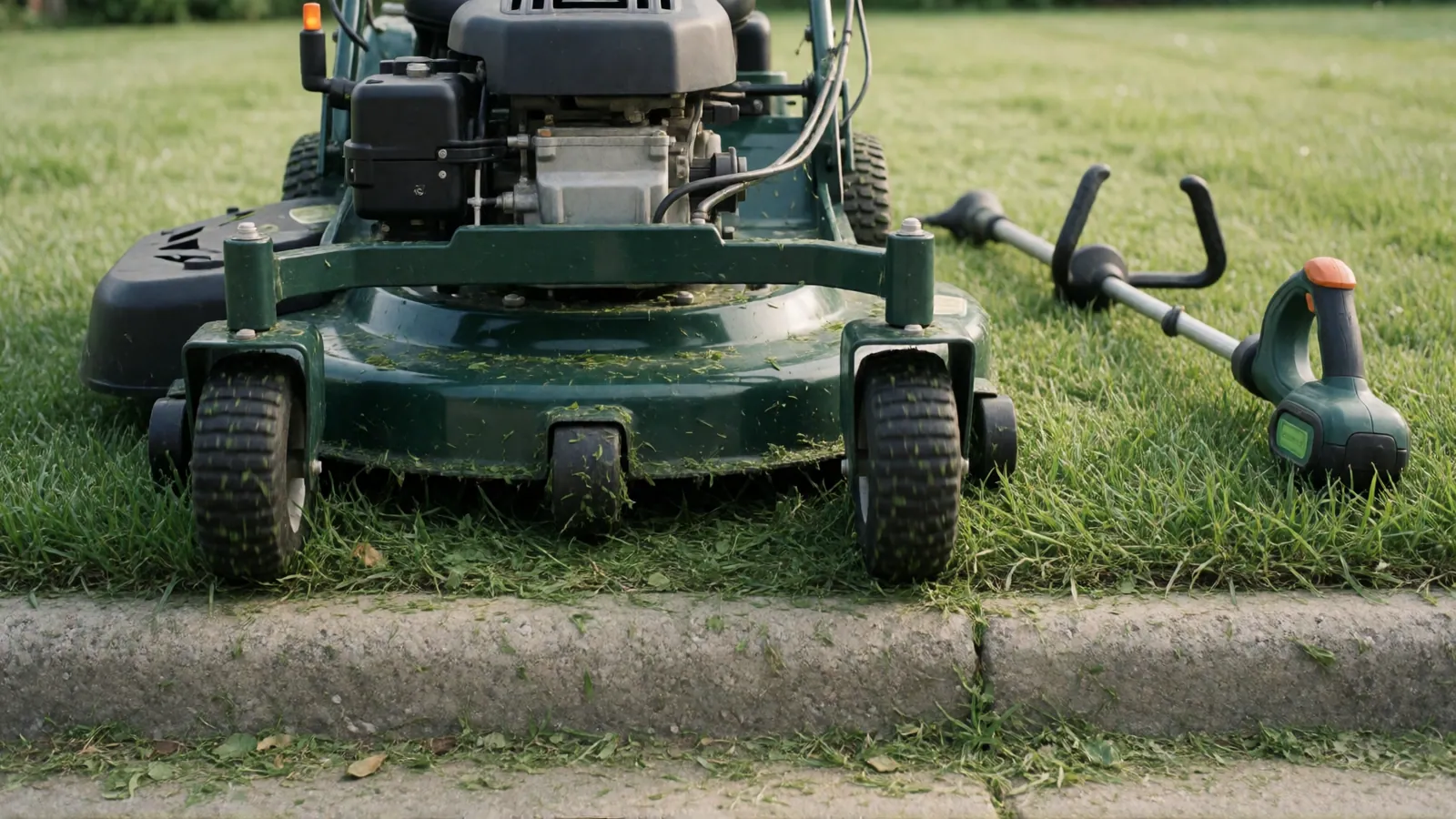
The front of a dark green walk-behind mower on the grass at a curb, cut grass on its deck, a battery string trimmer lying beside it.

About

Seven people and four crews

An owner who walks every lot, an office that writes the agreements, a garden designer, and four crew leads who each run one route. Nobody here is described by a badge.

AI-generated illustration. Not a real home or business.

Seven people, described by what they do

An owner, an office, a garden designer and four crew leads, each with one more person on the crew.

No badges. Seven people run this company: an owner who walks every lot, an office coordinator, a garden designer and four crew leads, each with a second person on the crew. None of them is described here by a license, a certificate, a course or years in the trade: the law says what a real company must hold, and these pages say what each of these people does.

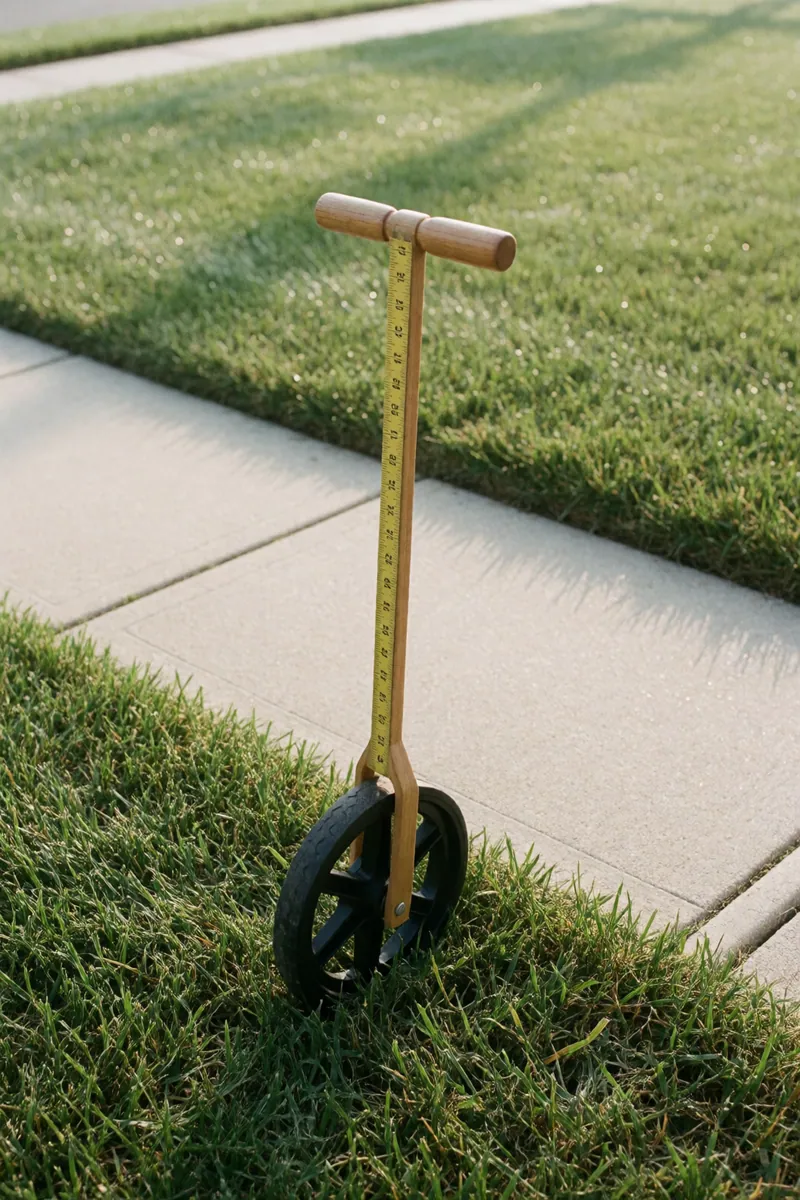
A measuring wheel with a wooden T handle standing on a lawn beside a concrete walk.AI-generated illustration. Not a real home or business.

Rafferty Quaye-Lindqvist

Owner and estimator

Walks every lot before a price is written, and sets the routes.

Rafferty measures a lawn with a wheel, not a satellite picture, and counts the gates while he does it.

Rafferty puts neighbors on the same route day, so a crew parks once for three lawns.
A ring of plain brass keys hanging from a hook on a pale painted door frame.AI-generated illustration. Not a real home or business.

Noor Halvorsen-Abadi

Office coordinator

Books the estimates, writes the agreements and answers the telephone.

Noor sends every agreement with its three notices, and explains the three days on the telephone before anyone signs.

On a wet morning Noor is the one who moves the day's route to the next dry day and tells every customer on it.

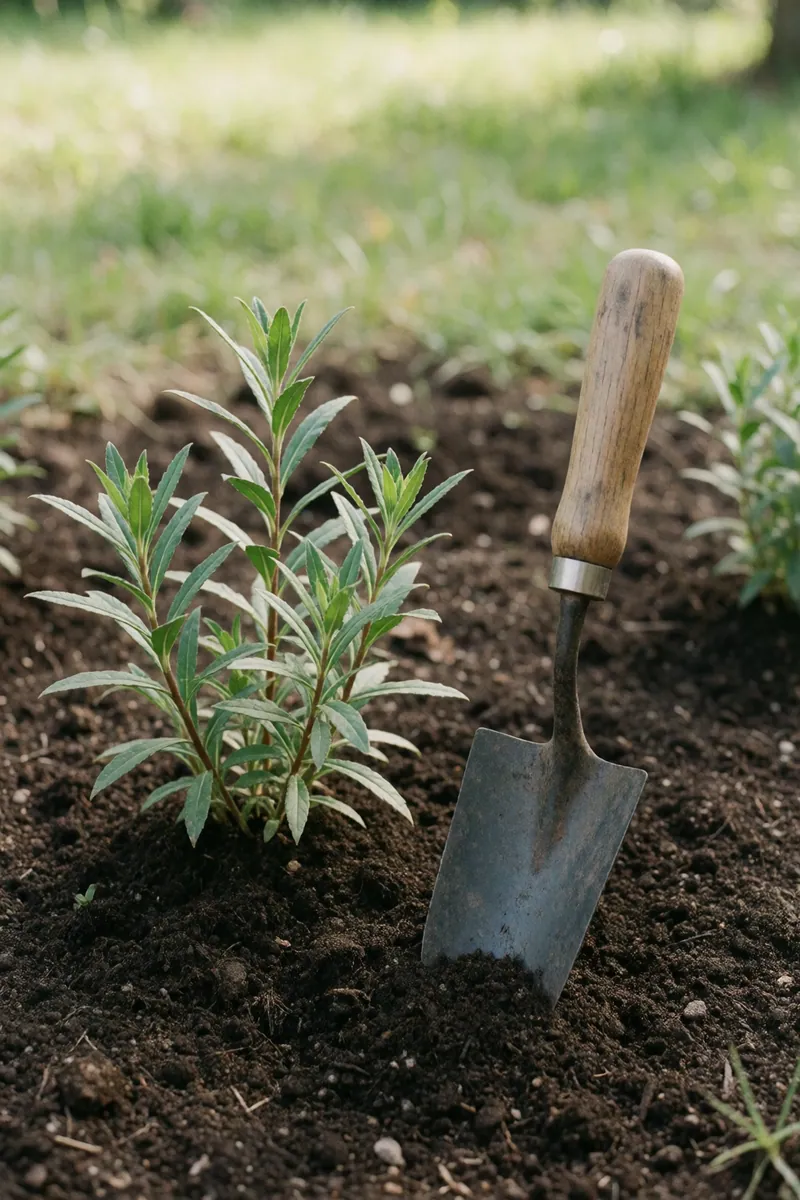
A wooden-handled garden trowel standing in dark soil beside a young perennial in a new bed.AI-generated illustration. Not a real home or business.

Teodora Vance-Mbeki

Garden designer

Draws the planting plans and lays out every bed before a spade goes in.

Teodora starts every plan with the sun: where it falls at nine, at noon and at four.

Her plant lists start with the natives that grow wild on this part of Long Island.

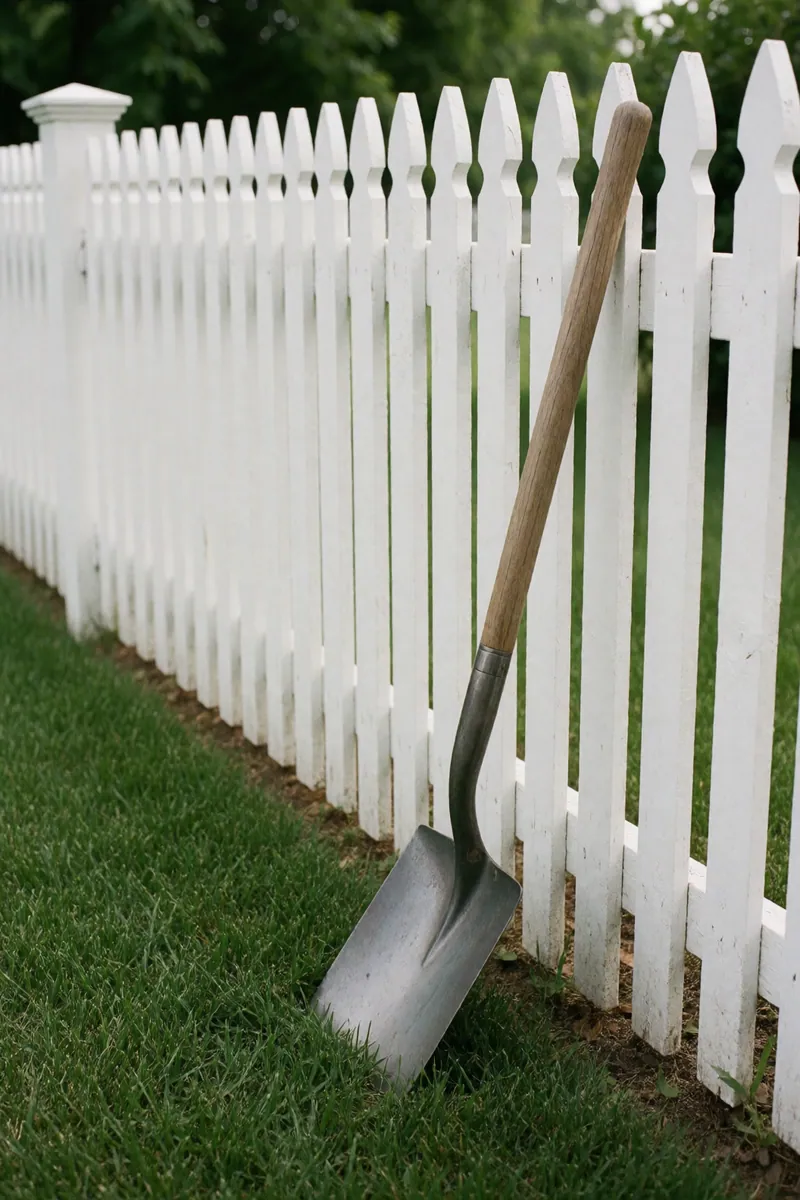
A wooden-handled spade leaning against a white picket fence over a crisp lawn edge.AI-generated illustration. Not a real home or business.

Desmond Achterberg-Ruiz

Crew lead, route C1

Runs the first crew's route through New Hyde Park and Garden City Park.

Desmond edges a walk with a half-moon spade the first time, and keeps the line with the edger after that.

On a corner lot Desmond starts at the curb, because that's the edge everybody sees.

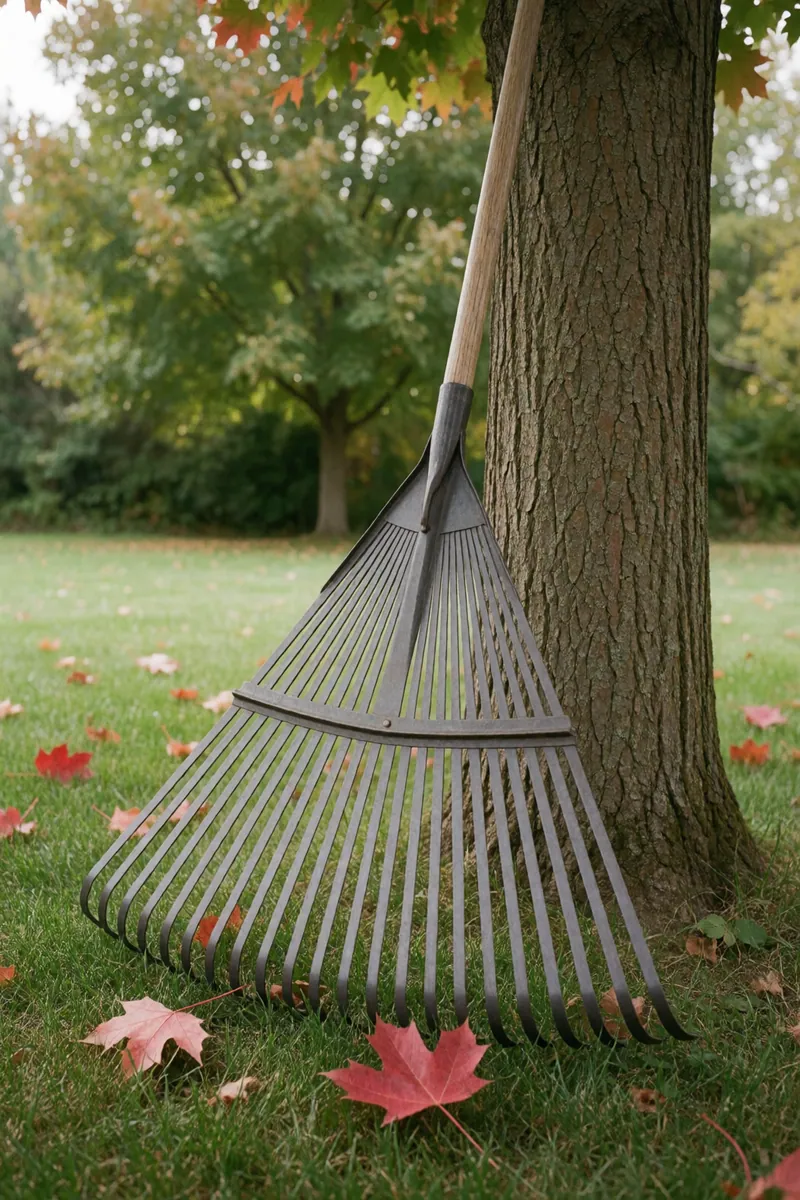
A leaf rake with steel tines leaning against a tree trunk, a few red leaves on the lawn.AI-generated illustration. Not a real home or business.

Lucía Ferreira-Doyle

Crew lead, route C2

Runs the second crew's route through Mineola, Williston Park and Garden City.

Lucía plans the fall leaf visits street by street, by which trees drop first.

Lucía leaves every gate the way she found it, latched.

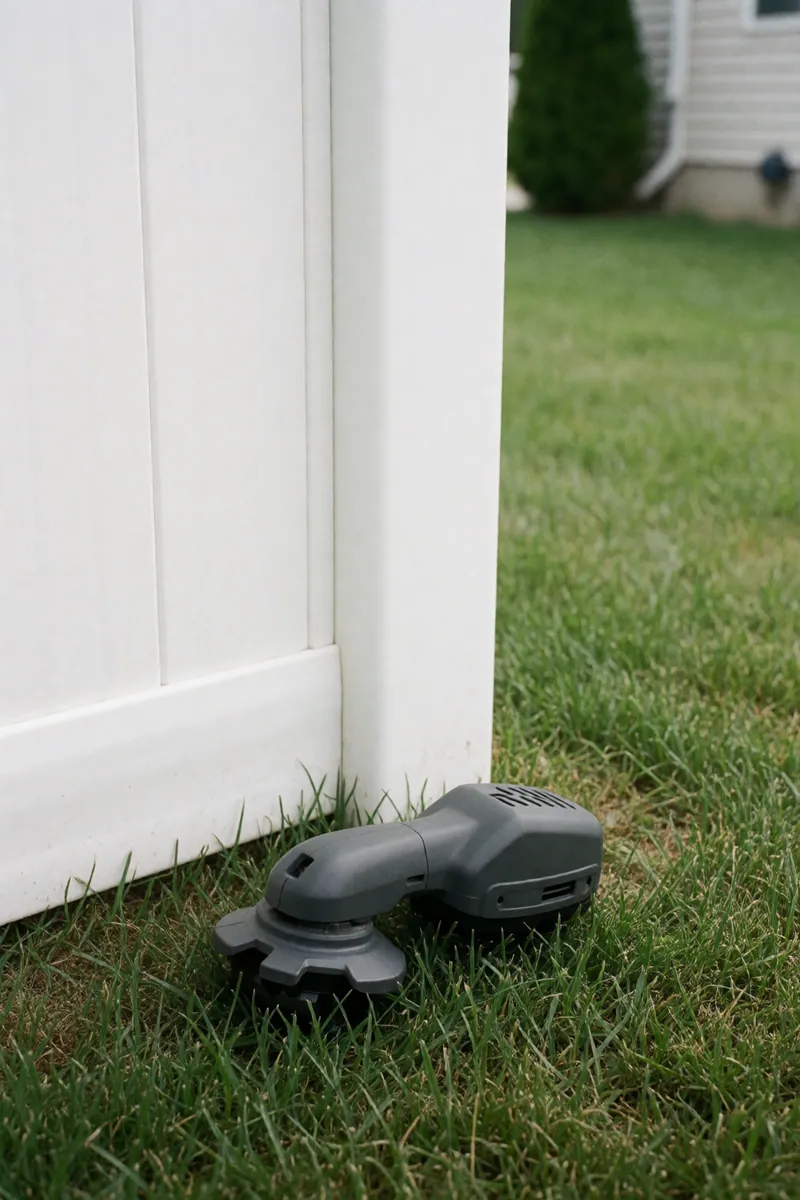
The plain dark gray head of a battery string trimmer resting on the grass at the foot of a white vinyl fence post.AI-generated illustration. Not a real home or business.

Kwabena Sørensen-Pike

Crew lead, route C3

Runs the third crew's route through Floral Park, Franklin Square and Elmont.

Kwabena trims the fence line before the mower comes through, so nothing gets thrown.

In winter Kwabena's truck carries the plow for the same streets.

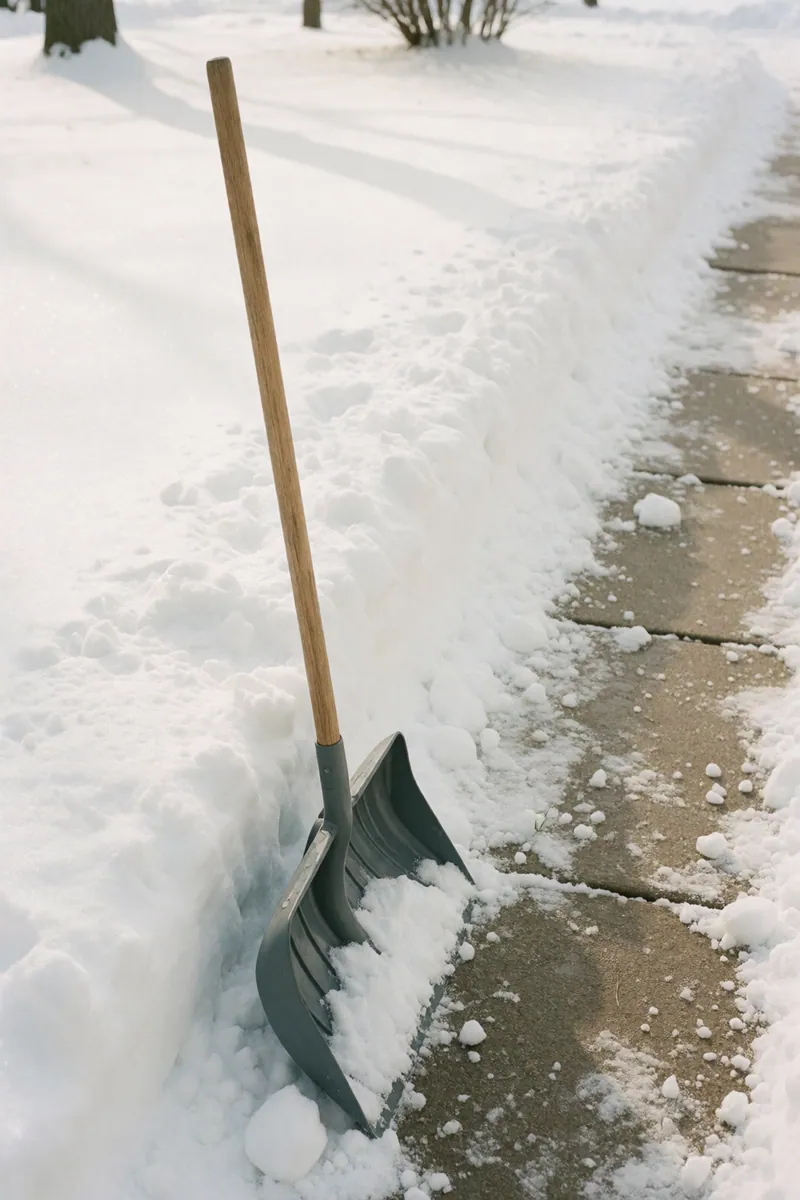
A snow shovel with a wooden handle standing in a snowbank beside a cleared concrete walk.AI-generated illustration. Not a real home or business.

Marguerite Oyelaran-Hess

Crew lead, route C4

Runs the fourth crew's route through Glen Oaks, Bellerose, Little Neck and Douglaston.

Marguerite runs the sprinkler start-ups in April and the blow-outs in October.

Marguerite shovels the steps by hand after the plow, every storm.

Four crews, four routes

Each crew keeps its own streets, all season.

  • Desmond's crew, route C1

    New Hyde Park and Garden City Park (11040). Nassau County, where the sales tax is 8.625%.

  • Lucía's crew, route C2

    Mineola (11501); Williston Park (11596); Garden City and Stewart Manor (11530). Nassau County, where the sales tax is 8.625%.

  • Kwabena's crew, route C3

    Floral Park (11001); Franklin Square (11010); Elmont (11003). ZIP 11001 also reaches into Queens. We work its Nassau side only: the Village of Floral Park, South Floral Park and Bellerose Village. Nassau County, where the sales tax is 8.625%.

  • Marguerite's crew, route C4

    Glen Oaks (11004); Bellerose (11426); Little Neck (11362); Douglaston (11363). New York City (Queens), where the sales tax is 8.875%.

A crew that works the same streets every week learns them: which gate sticks, which yard has the dog, where the sprinkler heads sit along the walk, which corner floods after a storm. That knowledge is worth more to a lawn than any machine.

The eleven places, and which crew works each.

Who you'll be talking to

Telephone or e-mail the office for all of it. This is who picks it up.

  • Booking, an agreement, or a question about one

    Noor Halvorsen-Abadi, the office coordinator. Books the estimates, writes the agreements and answers the telephone. Noor sends every agreement with its three notices, and explains the three days on the telephone before anyone signs.

  • The price of your lot, or which route day you're on

    Rafferty Quaye-Lindqvist, the owner and estimator. Walks every lot before a price is written, and sets the routes. The estimate visits on a Saturday are Rafferty's.

  • A planting plan

    Teodora Vance-Mbeki, the garden designer. Draws the planting plans and lays out every bed before a spade goes in.

  • Something on your route day

    The crew lead whose route you're on, through the office. The same crew comes every week, so the person who answers has stood in your yard.

What is on a trailer

No machine on this site is named by its maker. This is what the work needs, and what each thing is for.

  • Two mowers of different widths

    A narrow one that fits through a side gate into a back yard, and a wider one for an open front lawn. Both cut with mulching blades, which chop the clippings small enough to drop down between the grass instead of lying on top of it. A blade is kept sharp for a reason you can see: a dull one tears the tip of each grass blade, and a torn tip turns brown a day later.

  • A string trimmer and a backpack blower

    The trimmer cuts the grass the mower can't reach, along the fence, around the posts and at the edge of the beds. Kwabena trims the fence line before the mower comes through, so nothing gets thrown. The blower clears the walks, the steps and the driveway at the end of the visit.

  • An edger and a half-moon spade

    Desmond edges a walk with a half-moon spade the first time, and keeps the line with the edger after that. On a corner lot Desmond starts at the curb, because that's the edge everybody sees.

  • Shears and a hand-held hedge trimmer

    For hedges and shrubs, shaped by hand on the visits a plan or a job lists. Nothing on a trailer here climbs a tree or cuts one down.

  • Rakes, tarps and leaf bags

    For the spring clean-up and the fall leaf visits. Fall leaves are blown off the lawn, the beds and the walks and bagged, or piled at the curb where your town or village collects them in the fall; if you'd like them hauled away, the office quotes it.

  • A push spreader and a broom

    For the feeding rounds on a plan that carries them. Fertilizer goes on the lawn and nowhere else: anything that lands on a driveway, a walk or the street is swept back onto the grass, and nothing goes on within twenty feet of a pond or a stream.

  • A core aerator, in season

    For core aeration and overseeding, inside its window, August 25 to October 15. It pulls small plugs of soil out of the lawn and leaves them on top to break down, which opens compacted ground to air, water and new seed.

  • An air compressor, in spring and fall

    Marguerite runs the sprinkler start-ups in April and the blow-outs in October. We start sprinklers in the spring, blow them out with compressed air in the fall, and repair heads, valves and controllers.

  • In winter, the plow, shovels and ice melt

    In winter Kwabena's truck carries the plow for the same streets. Marguerite shovels the steps by hand after the plow, every storm.

Battery blowers and trimmers. Every blower and string trimmer we use is battery-powered, which is why no summer leaf-blower ban stops a visit. Garden City has one from the Saturday before Memorial Day to Labor Day, and the Town of North Hempstead another from June 15 to September 15.

No pesticide of any kind. We don't apply weed killers, crabgrass preventers, grub, tick or mosquito controls, or any other pesticide, including the ones sold as natural or organic. In New York a weed is a pest in law, so all of those need a State-registered business, a certified applicator, a written contract naming the products, warning flags on the lawn and, in Nassau County and New York City, written notice to your neighbors forty-eight hours before. We feed, seed, aerate and mulch, and we pull and cut weeds by hand and by machine.

There is no sprayer on any trailer, because nothing this company does is sprayed, and no chainsaw, because trees are a trade of their own. Which mower a company owns tells you very little. The order the work is done in tells you more: the fence line trimmed before the mower passes, the curb edged first, the clippings left where they fall and the gate latched on the way out.

When the crews work

Weekdays, and a rain day. The crews work Monday to Friday, 8 am to 4:30 pm, and keep Saturday, 10 am to 4 pm, for the visits a rained-out day moved. No lawn or garden work is done on a Sunday or a holiday; a snow route runs whenever the snow falls.

Saturday is not a route day. It is held back for the visits a wet weekday pushed along, so a rainy week can still finish inside itself. The office and the lawn and garden crews don't work on Sundays, or on New Year's Day, Memorial Day, Independence Day, Labor Day, Thanksgiving and the day after, or Christmas Day. Only a snow route runs on those days. Route days and the rain rule.

What a real company holds

What the County requires. In Nassau County a landscaper needs the County's home improvement license even to mow lawns, and prints its number in every ad; in New York City, building a patio, a garden wall, a planting bed or a sprinkler system needs the City's home improvement contractor license. This is a demonstration company: it holds no license, so no number is shown, and nothing here is an offer of work.

Some villages license too. Some villages license landscapers themselves as well — Garden City requires its own license and a decal on every truck — so a real company working there holds each village's license too.

Check a real landscaper. Before you hire a real landscaper, ask for its Nassau County home improvement license number and check it with the County's Office of Consumer Affairs; for work in New York City, look its license up with the City's Department of Consumer and Worker Protection.

On a real landscaper's website this would be the page with the County's license number on it, and the village decals on the trucks in the photographs. This one shows neither, because there is nothing true to show: the company is invented, and so are the seven people above. The footer of every page says the same.

What is worth asking a real company, after the number, is what this page answers: who comes, on which day, with what, and in which order. What a real landscaper must hold.

The rules this page follows

Each is described in a sentence of its own.

Start with an estimate visit

Book an estimate visit, at least twenty-four hours ahead. There's no charge for it, and nothing has to follow it.