A demonstration site — this company, its crews and its customers are not real.
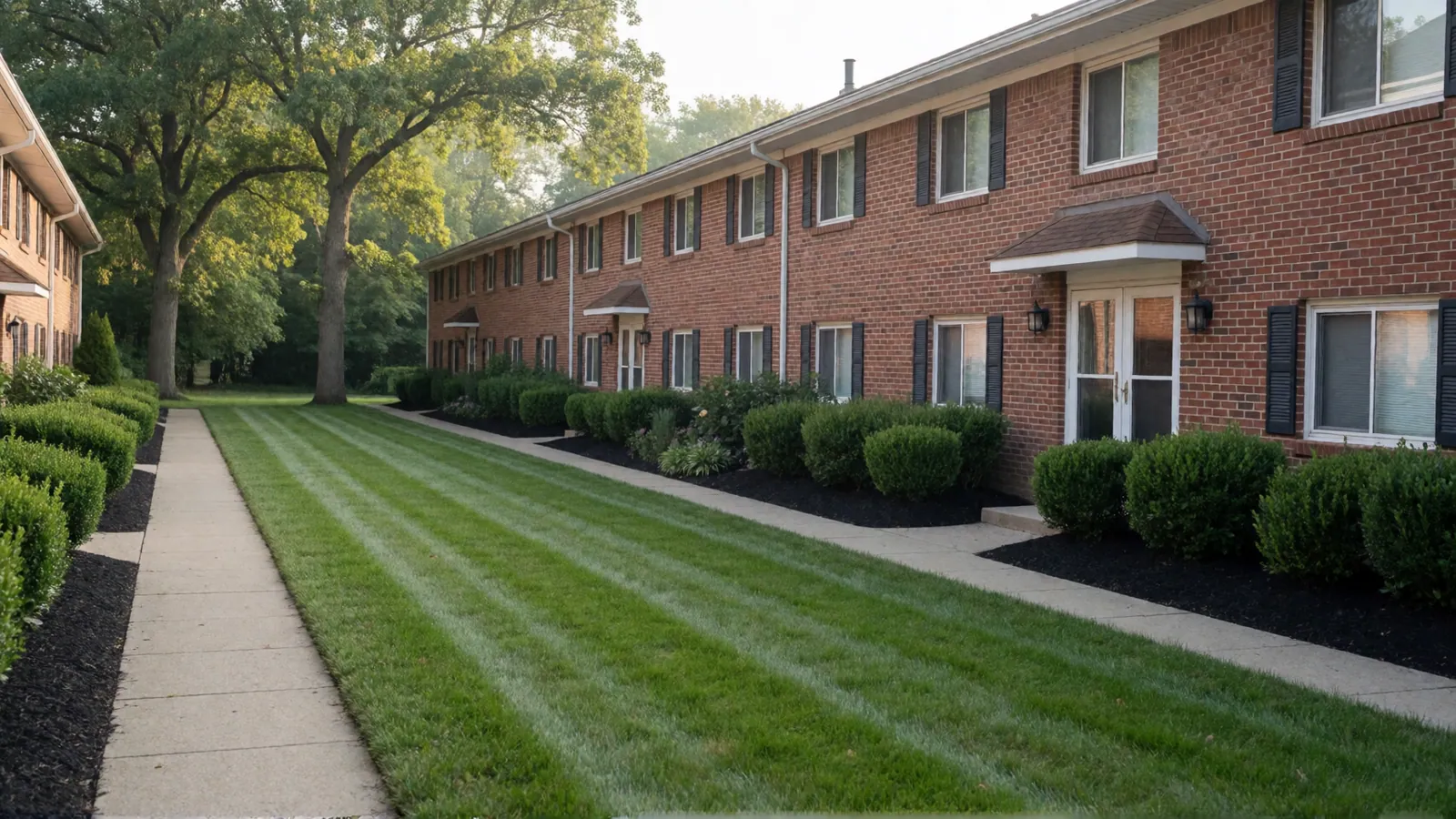
The long striped lawn of a two-story red-brick garden-apartment co-op, concrete walks on both sides and rows of trimmed shrubs in black mulch along the buildings.

Snow and grounds

Co-op lawns, office lawns and the walks in front of shops

The same weekly visit, clean-ups and snow for associations, offices and shops, walked with the board or the manager and quoted in writing.

  • Quoted in writing after the estimate visit
  • An estimate visit of about an hour
  • Walked with the board or the manager

AI-generated illustration. Not a real home or business.

Walked with the board or the manager

An association's grounds or a shop's frontage is never priced from a lot size on a table. The estimate visit is walked with whoever decides: the board's grounds committee, the managing agent, the owner of the shop. It is the longer of our two estimate visits, about an hour, because there is more to walk: the lawns between the buildings, the beds along the paths, the walks to every door, the strip of grass along the street.

The walk is for the questions a board has: which areas are done on each visit, what is cleared after a snowfall, and who to call. The office writes the quote after it, and the board signs it or doesn't.

Walked and quoted. Co-ops, condominium and homeowners' associations, offices and shops are walked with the board or the manager and quoted in writing, with the same weekly visit, clean-ups and snow.

  • Walked with the board or the manager, then quoted in writing.
  • Snow by the same contract as a house, quoted for the lot.

Bigger grounds. The estimator on this site prices lots from 1,000 square feet to 25,000 square feet. A larger lot, and an association's or a business's grounds, are priced at the estimate visit.

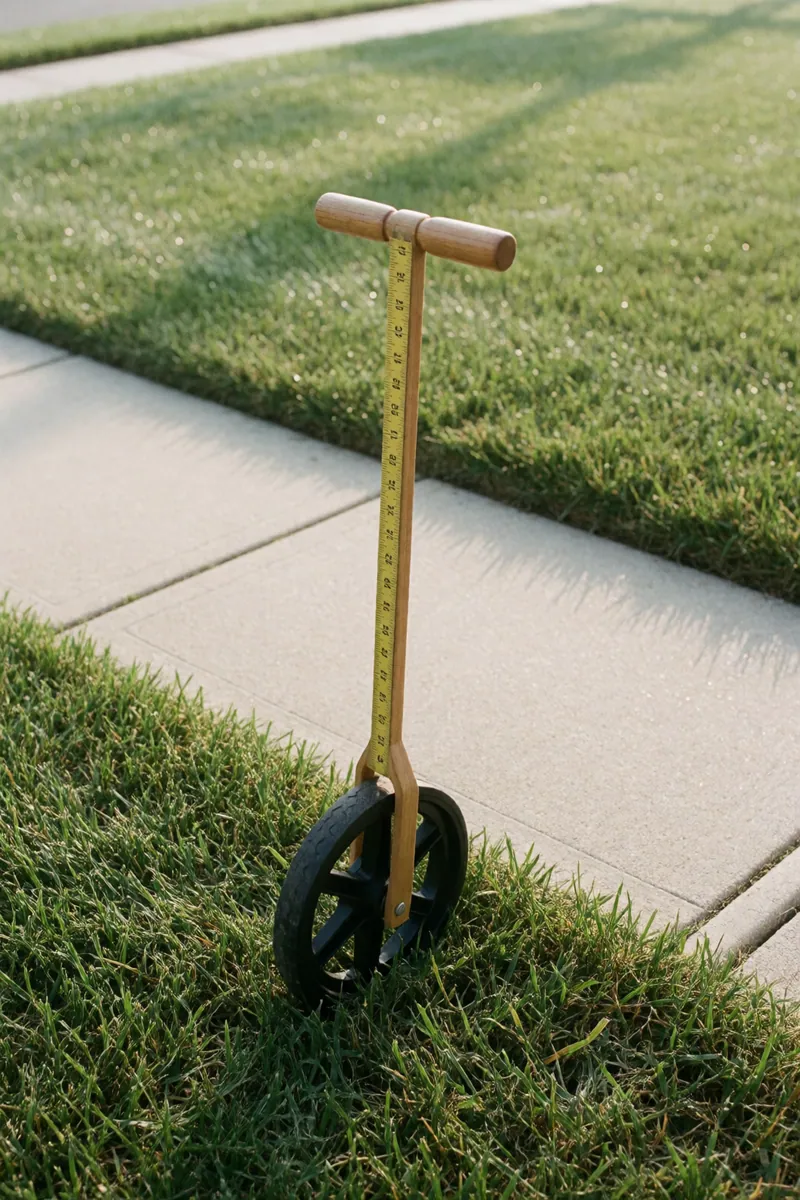
A measuring wheel with a wooden T handle standing on a lawn beside a concrete walk.AI-generated illustration. Not a real home or business.

Rafferty Quaye-Lindqvist

Owner and estimator

Walks every lot before a price is written, and sets the routes.

Rafferty measures a lawn with a wheel, not a satellite picture, and counts the gates while he does it.

Rafferty puts neighbors on the same route day, so a crew parks once for three lawns.
The same work, at a different scale

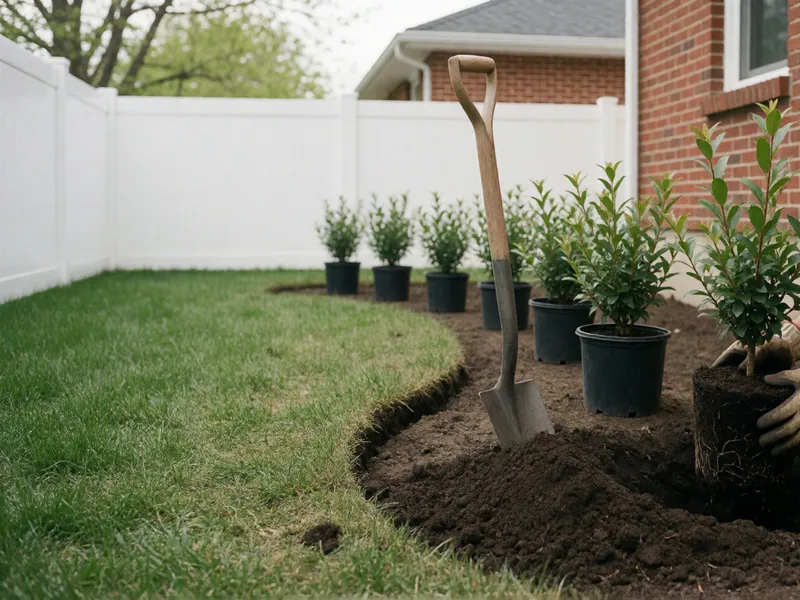
The weekly visit is the one every house on our routes gets — mowed, edged, trimmed and blown clear — on lawns that everybody who lives or works there walks past twice a day. A garden-apartment co-op near the Queens line can have more lawn than a whole street of houses, cut into pieces by walks and buildings, and most of it behind a fence or between two walls.

The clean-ups, the mulch, the hedges and the snow are the same work as on the house pages, priced in the quote instead of from the rate card.

The three business days to cancel come with an agreement for a home. An association's or a business's agreement is quoted and signed without them, and names its own dates.

Every week, the same four things. Every weekly visit is the same four things: the lawn mowed, the edges along the driveway, the walks and the curb cut clean, the beds and the fence lines trimmed, and the walks, steps and driveway blown clear. The clippings stay on the lawn, where they feed it.

Snow, and the sidewalk in front

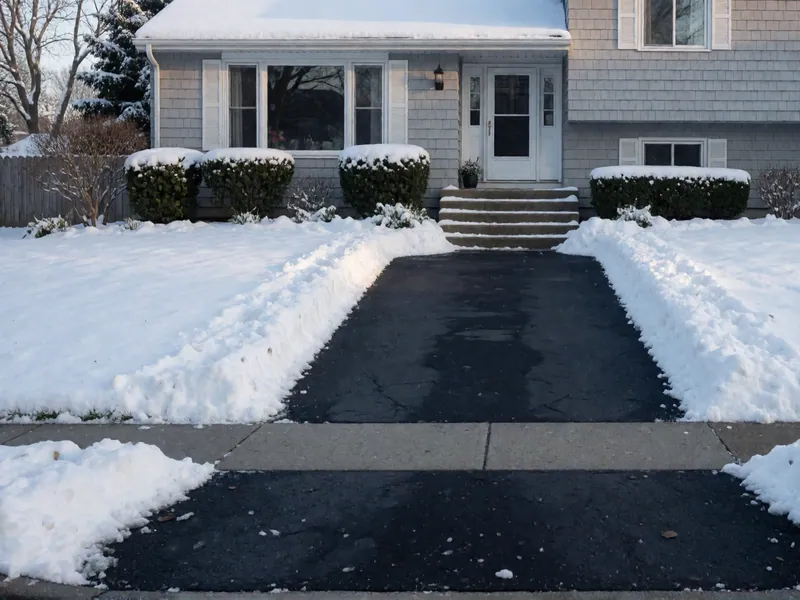
Snow for an association or a business is quoted after the estimate visit with the rest of the grounds, rather than read off the driveway table.

The sidewalk duty is the owner's here too. The New York City rule on who answers for an uncleared sidewalk has an exception for an owner-occupied house of one to three families, which an office, a shop or a co-op is not.

The sidewalk duty stays yours. Clearing the public sidewalk is the property owner's duty in law. In New York City and the Town of North Hempstead it has to be clear within four daytime hours after the snow stops, and the owner answers for an uncleared sidewalk. A snow contract means we do the clearing; it doesn't move that duty off you.

Quoted in writing

Maintenance is a service to the property, taxed on each invoice; new planting, a walk or a wall on the grounds is an install like any other.

Tax is its own line. Every price here is before sales tax, which is added to each invoice as its own line at the rate where the work is done: 8.625% in Nassau County and 8.875% in Queens. In New York, mowing, clean-ups, feeding, sprinkler visits and snow removal are taxed as services to a property.

Nothing paid up front. Nothing is paid on this website, and nothing is paid in advance. Each visit is invoiced after it's done, with the sales tax on its own line, and you pay by card, check or bank transfer.

Quoted in writing. Planting, a patio, a garden wall and a new sprinkler system are quoted in writing after an estimate visit, on a home improvement contract that names the work, the materials, the price, the start and completion dates and the stages of payment.

No deposit. An install has no deposit. It is paid in stages written into the contract, each after the work it pays for, or on completion.

Installs are capital improvements. A new planting bed, a patio, a garden wall or a new sprinkler system is a capital improvement in New York: you sign the State's certificate and pay no sales tax on the job, and the price already carries the tax we paid on the materials.

Grounds that belong to a town, a village, the County or the City are let by public contract, and we don't bid on them.

Places we don't work. We don't work on schools, parks, or property a town, a village, the County or the City owns: those are bid out by public contract.

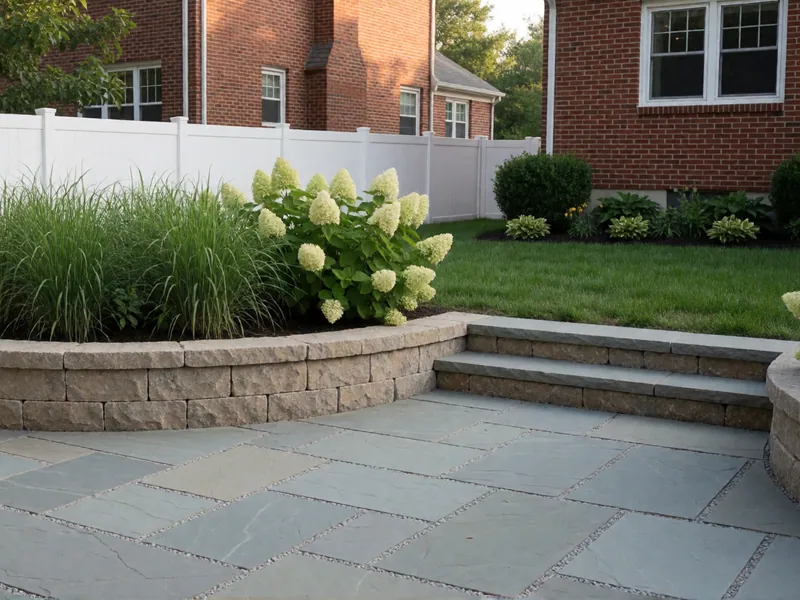
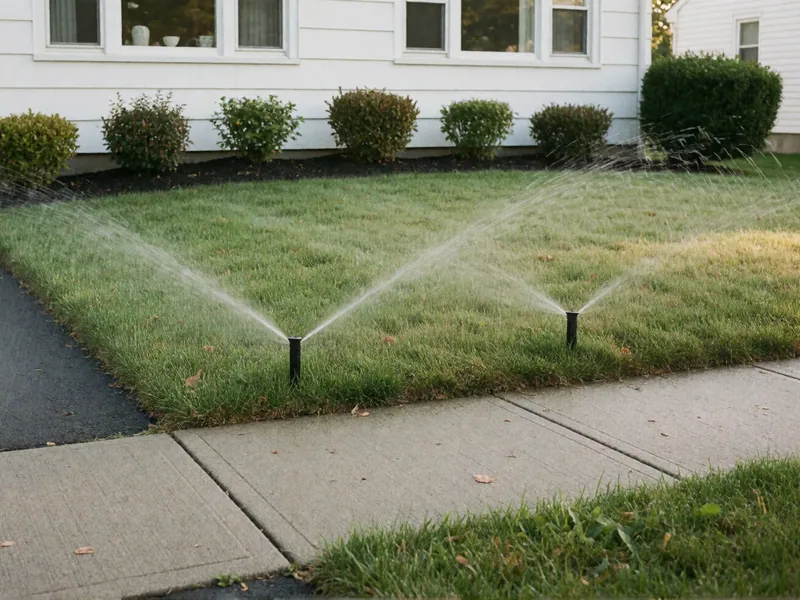
Gardens, sprinklers and snow

Book an estimate for grounds for associations and businesses

Book an estimate visit, at least twenty-four hours ahead. There's no charge for it, and nothing has to follow it.