A demonstration site — this company, its crews and its customers are not real.
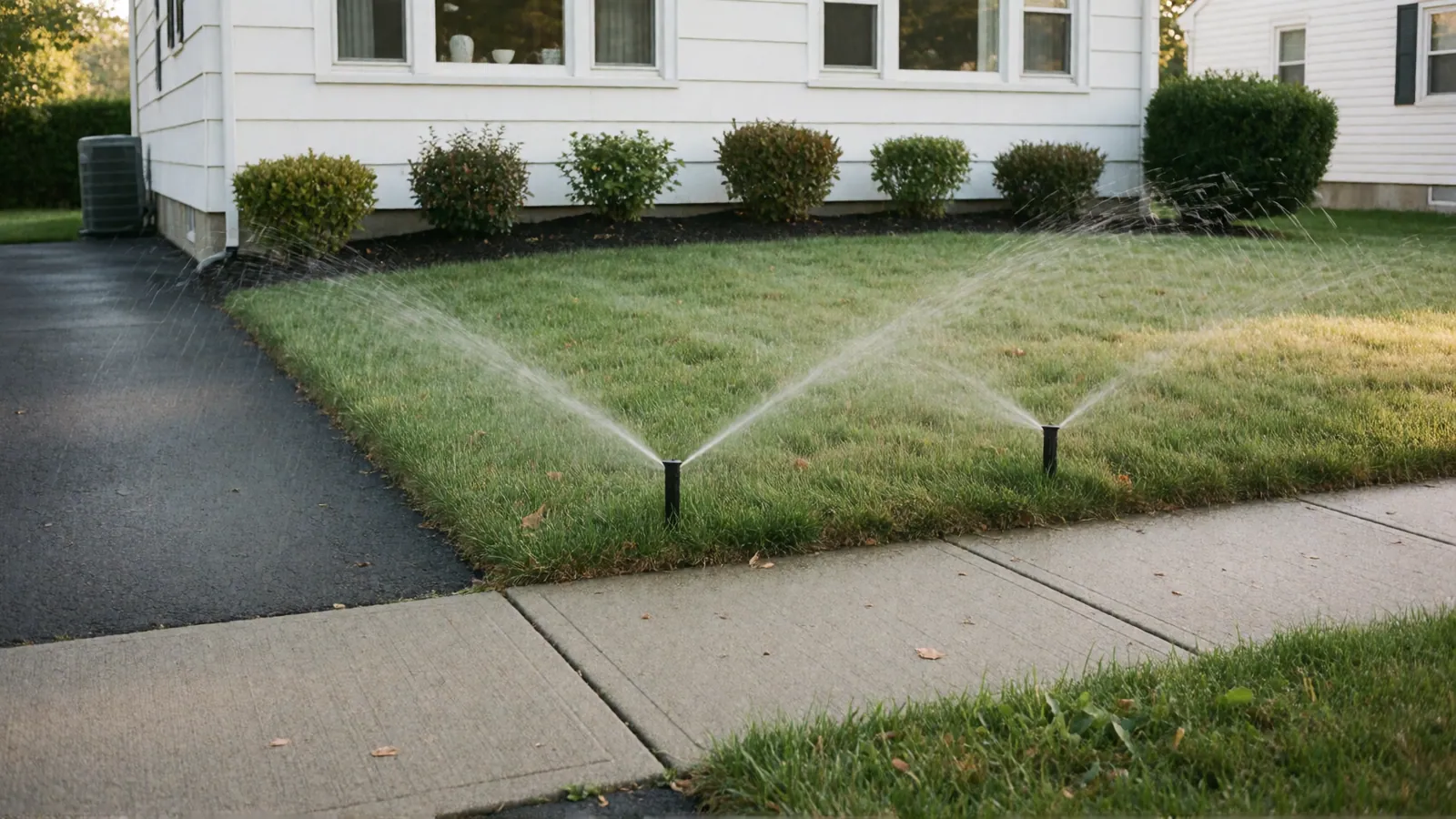
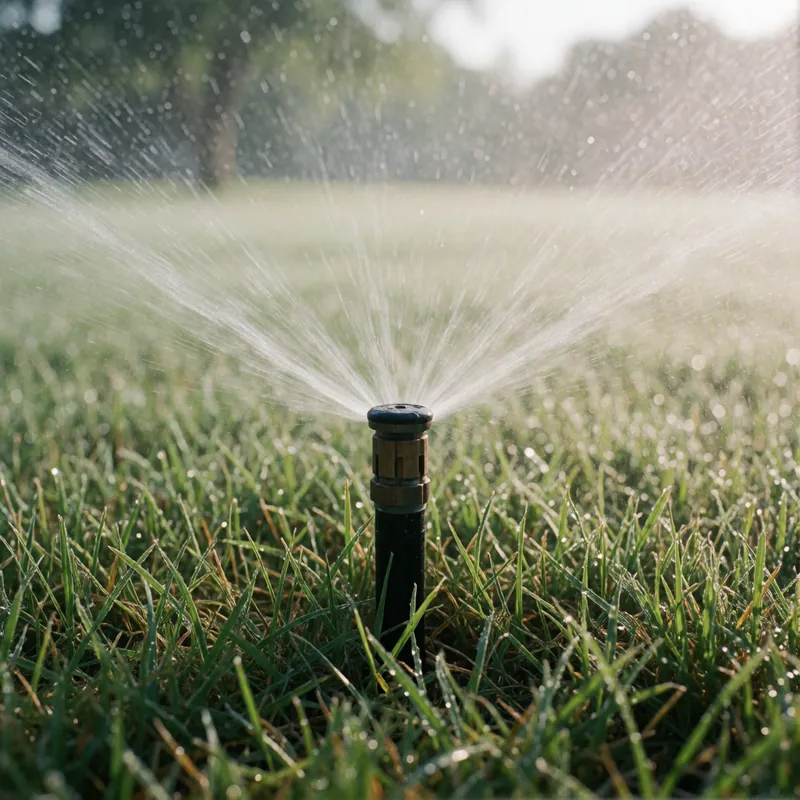
Two pop-up sprinkler heads in the middle of a front lawn throwing fans of fine water over the grass, the driveway and the sidewalk dry.

The garden

Started in April, blown out in October, set to your town's rules

Spring start-ups, fall blow-outs with compressed air, repairs, and new zones with a rain sensor.

  • Sprinkler start-up, $75 to $123
  • Started from April 15, blown out from October 20

AI-generated illustration. Not a real home or business.

The spring start-up

A sprinkler system comes out of the winter empty, and it should be filled slowly. The main valve is opened a little at a time, so the water pushes the air out of the pipes ahead of it; opened all at once, the rush of water slams into the fittings and can split one that came through the winter whole.

Then each zone is run in turn while someone walks it, looking for a head that doesn't pop up, a nozzle clogged with sand, a head knocked crooked by a mower or a plow, a spray landing on the driveway or the side of the house instead of the lawn. Heads are cleaned and turned back to the grass while the zone runs.

Last, the controller is set to the watering days and hours of your address, and the rain sensor is checked, so the system doesn't water in a downpour.

What the visit is. The system turned on and pressurized, each zone run, heads adjusted and the controller set to your town's watering rules.

Set to your town's rules. In Nassau County lawns are watered on odd or even dates by house number and not between 10 am and 4 pm, and a new automatic system needs a rain sensor. We set every controller we touch to the rules of the address.

  • Every new system has a rain sensor.
  • Your licensed plumber installs and tests the backflow preventer.
Close on a pop-up sprinkler head throwing a fan of fine water over a lawn.AI-generated illustration. Not a real home or business.

The fall blow-out

Water left in a sprinkler line expands as it freezes, and it splits pipe, cracks fittings and ruins valves, out of sight under the lawn, until the spring start-up finds a fountain in the middle of it.

So before the first hard freeze each zone is blown clear with compressed air, one at a time, until the heads spit mist instead of water. The zones are switched while there is still a little moisture in them, because air alone driven through a dry plastic line heats the fittings. Then the controller is set to off for the winter.

What the visit is. Each zone blown clear with compressed air before the first hard freeze, and the controller set to off.

A broken head, a stuck valve or a controller that has given up is found on one of these visits as often as not. A repair, a new zone or a new system starts the way every job here does, with an estimate visit.

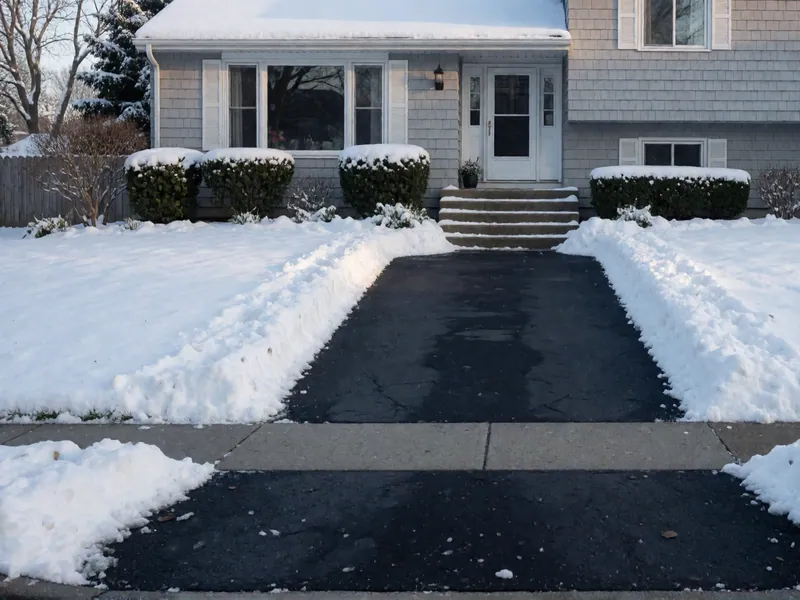
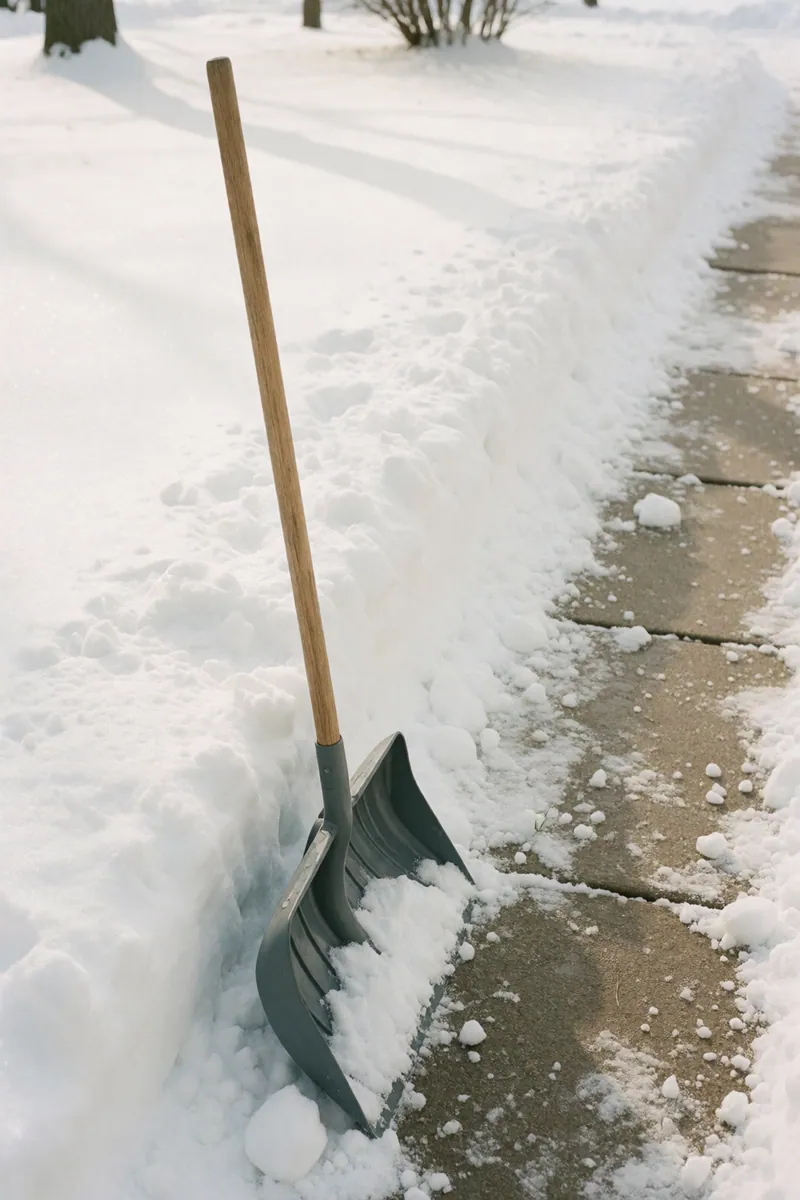
A snow shovel with a wooden handle standing in a snowbank beside a cleared concrete walk.AI-generated illustration. Not a real home or business.

Marguerite Oyelaran-Hess

Crew lead, route C4

Runs the fourth crew's route through Glen Oaks, Bellerose, Little Neck and Douglaston.

Marguerite runs the sprinkler start-ups in April and the blow-outs in October.

Marguerite shovels the steps by hand after the plow, every storm.
New zones and new systems

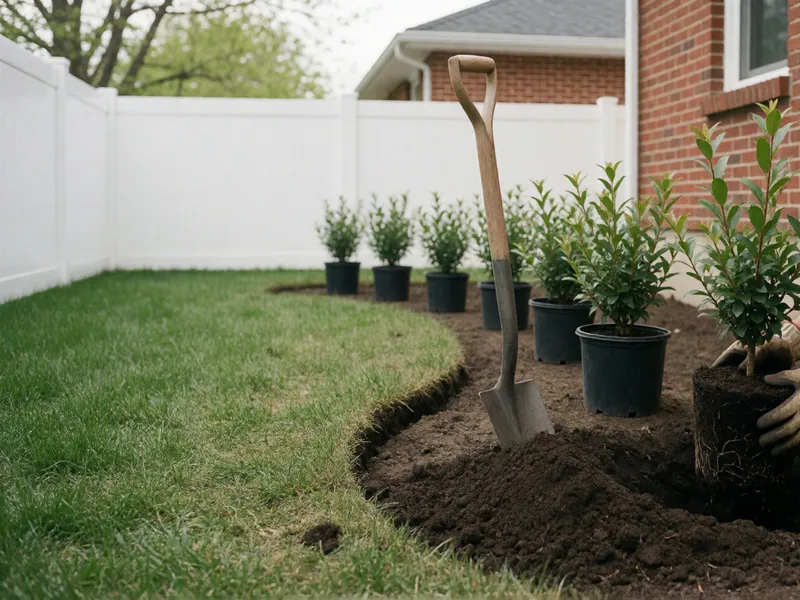
A new system is laid out zone by zone: the lawn on its own zones, the beds on theirs, sun and shade kept apart, so each part of the yard gets the water it needs and none of it lands on the walk. Every new system has a rain sensor.

It is laid from the backflow preventer onward. The backflow preventer is what keeps water from the yard from being drawn back into the public supply; installing it, and testing it every year, is work for your licensed plumber.

From the backflow preventer onward. We start sprinklers in the spring, blow them out with compressed air in the fall, and repair heads, valves and controllers. A new system is laid from the backflow preventer onward, always with a rain sensor; the backflow preventer itself is installed and tested every year by your licensed plumber.

Quoted in writing. Planting, a patio, a garden wall and a new sprinkler system are quoted in writing after an estimate visit, on a home improvement contract that names the work, the materials, the price, the start and completion dates and the stages of payment.

No deposit. An install has no deposit. It is paid in stages written into the contract, each after the work it pays for, or on completion.

Installs are capital improvements. A new planting bed, a patio, a garden wall or a new sprinkler system is a capital improvement in New York: you sign the State's certificate and pay no sales tax on the job, and the price already carries the tax we paid on the materials.

What a visit costs

On a season plan the start-up rides on the first visit from April 15 and the blow-out on the first from October 20; on their own, each is a visit on a weekday inside its window.

A start-up or a blow-out costs $75 a visit for up to six zones, and $8 for each zone more, to twelve.

A sprinkler visit, before tax. Every price here is before sales tax, which is added to each invoice as its own line at the rate where the work is done: 8.625% in Nassau County and 8.875% in Queens.
The jobThe priceWhen
Sprinkler start-up$75 for up to six zones, and $8 for each zone more, to twelveApril 1 to May 31
Sprinkler winterizing (blow-out)$75 for up to six zones, and $8 for each zone more, to twelveOctober 1 to November 20

Tax is its own line. Every price here is before sales tax, which is added to each invoice as its own line at the rate where the work is done: 8.625% in Nassau County and 8.875% in Queens. In New York, mowing, clean-ups, feeding, sprinkler visits and snow removal are taxed as services to a property.

A worked example

Worked out by the same arithmetic as a real agreement: every visit's date, its price and the sales tax on it. The household is invented. The three visits below open a season in Mineola with a six-zone system; the last of them carries the start-up as its own line.

A full season for a 6,000-square-foot lot A house in Mineola, Tuesday route

  • Spring clean-up, Tuesday, April 6, 2027an hour and forty-five minutes; tax $25.88$300.00
  • Weekly visit, Tuesday, April 13, 2027eighteen minutes; tax $5.18$60.00
  • Weekly visit + Feeding round + Sprinkler start-up, Tuesday, April 20, 2027fifty-three minutes; tax $16.39$190.00
  • Thirty more visits, every one dated on the agreementtax $226.97$2,630.00
  • Before taxthirty-three visits$3,180.00
  • Sales tax (8.625%, Nassau County)on each visit's invoice$274.42
  • In allinvoiced visit by visit$3,454.42

Signed on Thursday, March 4, 2027. The three business days to cancel end at midnight on Monday, March 8, 2027, so the first visit is Tuesday, April 6, 2027. The route day is Tuesday; the season ends with its last visit on Tuesday, November 16, 2027, and does not renew.

Gardens, sprinklers and snow

Book an estimate for sprinkler start-ups, blow-outs and repairs

Book an estimate visit, at least twenty-four hours ahead. There's no charge for it, and nothing has to follow it.